Bengal Cat Candy Dome Template Review
As a designer who spends more time staring at stitch maps than most people spend looking at their phones, I approach every new machine embroidery design with a healthy dose of skepticism. We have all been there: you download a file that looks adorable on the screen, only to find out it turns into a puckered mess or a thread-breaking nightmare once it hits the hoop. That is why I took a close look at the Bengal Cat Candy Dome Template before committing it to any client work or personal projects. This isn't just about whether the cat looks cute; it is about whether this digital embroidery file can hold up in the real world of handmade products and commercial sales.
First Impressions and Visual Personality
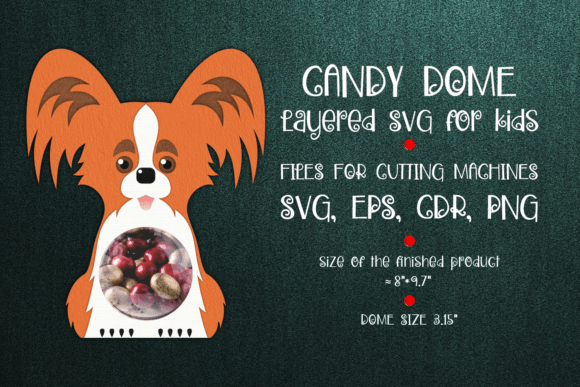
The moment I loaded the Bengal Cat Candy Dome Template into my software, the first thing that struck me was its playful energy. There is a specific mood required for party favors and novelty gifts, and this design hits that note perfectly. It feels whimsical without being childish, which is a hard balance to strike. The concept of a Bengal cat peeking out from or interacting with a candy dome creates an immediate narrative. For an Etsy seller or a boutique owner, storytelling is half the battle in selling a finished product.
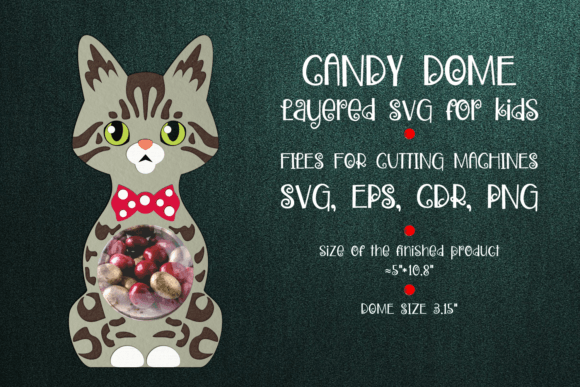
Visually, the layout suggests a compact composition. In the world of Shapes, a dome structure implies curvature and volume. When translating this to a 3D SVG or an embroidered equivalent, the challenge is always maintaining that sense of depth without over-complicating the stitch count. My initial assessment is that this design relies heavily on clean lines and distinct color blocking to define the cat's features against the "candy" element. For embroidery, this usually translates well, provided the stitch density is managed correctly between the different elements.
Real-World Application: The Party Favor Scenario
To truly test the viability of this design, I imagined a specific real-life scenario: a custom order for a child's birthday party where the host wants personalized tote bags for the guests. This is a common request for craft business owners. The Bengal Cat Candy Dome Template fits this use case beautifully because it acts as a self-contained graphic. Unlike a large back-piece design, this template is likely sized for a front-pocket placement or a central chest logo on a tote.
If I were stitching this onto a canvas tote bag design, the rigid nature of the fabric would support the details well. The "candy dome" aspect could be rendered using a combination of satin stitch for the outlines and a light fill stitch for the interior colors. The Bengal cat details would need to be sharp; if the whiskers or eyes are too small, they might get lost in the texture of the canvas. However, assuming the digitizing is sound, this design would elevate a simple bag into a memorable personalized gift. Parents love seeing their child's interest—in this case, cats and sweets—reflected in their party swag.
Beyond tote bags, I can see this working effectively on aprons for a baking-themed party or even as a patch applied to a denim jacket. The versatility lies in its contained shape. It does not require a massive hoop, making it accessible for home hobbyists with standard machines as well as professional shops running multi-head setups.
Technical Considerations and Fabric Challenges
While the aesthetic appeal is high, we must discuss the technical execution. Any time you are dealing with a design that implies a 3D shape like a dome, you have to be careful about how the stitches lay on flat fabric. If the Bengal Cat Candy Dome Template uses heavy saturation to mimic the shine of candy, it could lead to stiffness. On stretchy fabrics like a cotton-spandex blend t-shirt, this could cause the design to crack or the fabric to pucker over time.
I would strongly advise testing this on scrap fabric first, specifically checking the behavior on both woven and knit materials. For sweatshirt embroidery, the loft of the fleece might swallow up finer details. In this case, using a cutaway stabilizer is non-negotiable to provide a solid foundation. If you are attempting this on a cap, the curved surface adds another layer of complexity. The dome shape of the design might conflict with the curve of the hat brim or front panel, so careful positioning is essential.
Another critical factor is color contrast. A Bengal cat has distinctive spotting and coloring. If you are stitching this onto a dark garment, you need to ensure the background of the "candy dome" is opaque enough to prevent the shirt color from bleeding through. Conversely, on white fabric, you need to make sure the outline stitches are dark enough to define the shape clearly. Running a black-and-white mockup in your software before stitching is a smart move to check for value contrast.
Commercial Viability and Brand Consistency
For those of us selling design assets or finished goods, consistency is key to building customer trust. The Bengal Cat Candy Dome Template offers a level of professionalism that can enhance brand perception. It looks intentional and designed, rather than clip-art slapped onto a shirt. This attention to detail increases the perceived value of the handmade product, allowing you to price your items higher than generic alternatives.
However, before listing this as part of your small shop product line, you must verify the licensing terms. The product description mentions it is a digital product for cutting machines and notes that you need appropriate software. It does not explicitly state the stitch count, specific file formats beyond the implication of cutting files, or the exact commercial license restrictions. As a professional, I never assume. You need to confirm whether this license allows for unlimited physical sales or if there is a cap. Selling a custom apparel item based on a design you aren't licensed to sell commercially can lead to serious issues down the road.
Final Verdict for Designers and Makers
The Bengal Cat Candy Dome Template is a charming addition to a library of holiday embroidery or everyday novelty designs. Its strength lies in its thematic clarity and its potential for creating fun, engaging embroidered patch styles or direct-to-garment looks. It is particularly well-suited for baby embroidery projects, nursery decor, or gifts for cat lovers.
That said, success with this design depends on the user's attention to material selection and stabilization. Do not skip the test stitch-out. Check the thread colors against your specific fabric texture. Ensure that the tiny details of the cat's face do not turn into a blob of thread. If you take these precautions, this template can be a reliable workhorse for creating delightful, high-quality items that customers will cherish. It bridges the gap between a fun digital concept and a tangible, tactile embroidery project that stands up to real-world use.
In the end, good design is about solving problems while creating beauty. This template solves the problem of "what do I make for a cat-loving kid's party?" with style. Just remember to respect the technical limits of your machine and your fabric, and you will have a winner on your hands.