Review: Venice Italy 3D Shadow Box Paper Cut Design
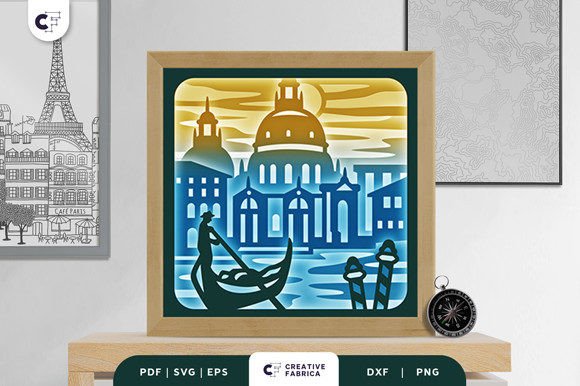
As a designer who spends most of my day staring at stitch maps and thread charts, I approach new machine embroidery design files with a healthy dose of skepticism. We have all downloaded a "masterpiece" only to find it turns into a bird's nest of thread breaks and puckering on the actual garment. However, when I first loaded the Venice Italy 3D Shadow Box Paper Cut onto my screen, the visual personality immediately stood out. This isn't just another flat skyline; it captures the romantic, layered mood of the Italian city with a depth that suggests a true 3D SVG aesthetic translated into thread.
The layout feels intentional, balancing intricate details with enough negative space to let the design breathe. For those of us in the craft business, specifically Etsy sellers and boutique owners, the first impression is crucial. This design screams "high-end handmade product." It evokes a sense of travel, nostalgia, and artistic flair that fits perfectly into the Countries category but elevates it beyond a simple souvenir vibe. The mood is sophisticated, making it an ideal candidate for clients looking for something unique rather than generic.
Real-World Application: The Custom Tote Scenario
To truly test the viability of this file, I imagined a specific real-life scenario: a custom order for a local travel agency needing branded tote bag design options for a luxury Venice tour package. They wanted something that looked like art, not just a logo slapped on canvas. Here is where the Venice Italy 3D Shadow Box Paper Cut shines. When visualized on a heavy-duty canvas tote, the layered effect of the design mimics the look of a paper cut shadow box, adding texture and dimension that flat prints cannot achieve.
If I were stitching this as a personalized gift or a small shop product, I would lean towards using it on structured items. A stiff denim jacket or a thick cotton apron would support the weight and density of the stitches better than a flimsy tee. The intricate nature of the architecture in the design demands a stable foundation. For a sweatshirt embroidery project, this design would add a touch of elegance to a casual garment, transforming a basic hoodie into a statement piece suitable for a boutique collection. The visual appeal here directly impacts product value; customers are willing to pay more for items that look complex and professionally executed.
Technical Performance and Stitching Clarity
Diving into the technical aspects, the transition between different stitch types appears well-managed. While I cannot confirm exact stitch counts without running the file, the preview suggests a smart mix of satin stitch for outlines and fill stitch for the broader architectural elements. This combination is vital for maintaining stitching clarity. In complex designs, poor digitizing often leads to muddled details where small corners merge into a blob of thread. This design seems to respect the limits of the needle, keeping the iconic landmarks recognizable even at a moderate size.
However, caution is required regarding stitch density. Designs that aim for a 3D or shadow box effect often pack stitches tightly to create coverage and depth. If you are working on stretchy fabric or thin materials like a lightweight rayon blouse, this density could cause significant puckering or distortion. It is essential to test the design on scrap fabric that matches your final material. For baby embroidery projects, where softness is paramount, you might need to adjust the underlay or choose a larger hoop size to spread the density out, ensuring the finished product remains comfortable against sensitive skin.
Navigating Fabric Textures and Hoop Constraints
One of the biggest challenges with detailed digital embroidery file assets is matching them to the right surface. The Venice Italy 3D Shadow Box Paper Cut features fine lines and potentially tiny lettering or intricate corner details. On textured fabrics like terry cloth towels or rough linen, these small details might get lost. I would recommend this design primarily for smooth, woven fabrics where the needle can penetrate cleanly without fighting the weave.
Furthermore, consider your hoop size. If the design is large and intricate, it may require a jumbo hoop, which limits its use on smaller items like caps or cuffs. Speaking of caps, applying this to a curved surface like a baseball hat would be risky unless the design has been specifically digitized for curvature. The rigid architectural lines of Venice might distort awkwardly over the dome of a cap. For embroidered patch creation, however, this design is a strong contender. Patches allow you to stabilize the fabric heavily and trim away excess, showcasing the sharp details without worrying about garment drape.
Enhancing Brand Consistency and Customer Trust
For commercial embroidery professionals, consistency is key to building customer trust. Using a high-quality design asset like this ensures that every finished product leaving your studio meets a high standard. When a client receives a pillow cover or kitchen towel with crisp, clear stitching that matches the printable mockup they approved, it reinforces your professionalism. Conversely, a design that pulls or breaks threads damages your reputation instantly.
This particular design aids in brand consistency for shops focusing on travel, heritage, or artistic themes. It serves as a recognizable element that can be adapted across various design assets, from holiday gifts to wedding favors. The "wow" factor of the 3D illusion encourages buyer engagement; people stop scrolling when they see depth and texture in an image. For an Etsy seller, this visual hook can be the difference between a browser and a buyer.
Practical Notes for the Serious Maker
Before committing this design to a client's expensive garment, there are several practical steps every designer should take. First, always run a test stitch-out on scrap fabric. Check the thread colors; while the preview looks great, seeing how specific brands of thread interact with the design in real life is irreplaceable. High-contrast thread choices can enhance the 3D effect, while tonal colors might soften it for a more subtle look.
Pay close attention to the stabilizer. Given the likely density of a shadow box style design, a cut-away stabilizer is probably safer than tear-away, especially for items that will undergo frequent washing like custom apparel or tea towels. Ensure you have the correct licensing terms confirmed before selling. Some designers restrict the number of physical items you can sell, while others offer unlimited commercial use. Never assume; always read the license included with the embroidery file.
Finally, consider the end-user experience. If this is for a holiday embroidery gift or a keepsake, ensure the back of the stitching is clean. Excessive jumping or messy backing can ruin the feel of a premium item. By treating the Venice Italy 3D Shadow Box Paper Cut with the respect it deserves—careful material selection, proper stabilization, and thorough testing—you can turn a digital file into a tangible piece of art that delights customers and elevates your portfolio.