The Leaning Tower of Pisa 3D SVG for Countries
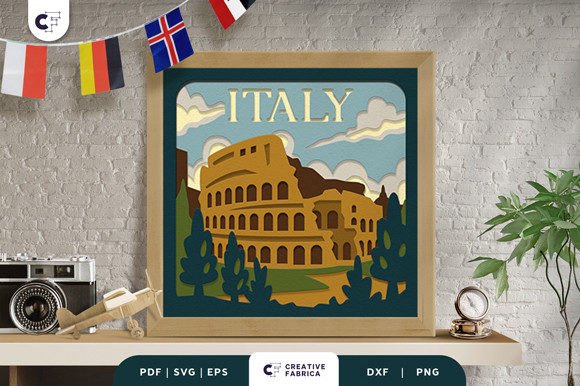
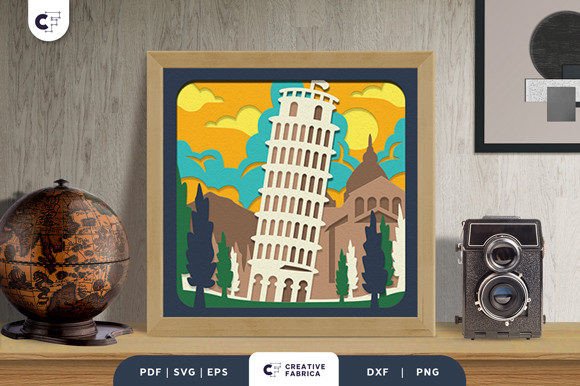
As a brand designer and content marketer, I am constantly vetting new graphic design assets to see if they can elevate a client's visual identity without demanding hours of customization. Recently, I reviewed The Leaning Tower of Pisa 3D Shadow Box for an upcoming travel lifestyle campaign. The goal was to create a series of social media graphics and digital ads that felt authentic yet polished. My first impression of this asset was immediate; the depth created by the layered paper-cut aesthetic offers a tactile quality that flat illustrations often lack. It evokes a romantic, nostalgic mood perfect for storytelling, making it an ideal fit for brands in the Countries niche or those selling handmade goods with an Italian influence.
In the context of small business branding, visual consistency is paramount. This SVG design brings a sophisticated European flair that can instantly upgrade a generic layout. When I placed it into a mockup for a seasonal offer promoting a "Taste of Italy" product line, the asset acted as a powerful anchor. It did not look messy or amateurish; instead, it provided a professional framing device that guided the viewer's eye. For content creators looking to build a cohesive design bundle for their clients, this type of creative design offers versatility. It works exceptionally well for packaging design, where the shadow effect mimics embossing, adding perceived value to a product label or box insert.
Elevating Visual Hierarchy in Marketing Campaigns
One of the primary challenges in content marketing is establishing a clear visual hierarchy. The Leaning Tower of Pisa 3D Shadow Box excels here because its dimensional nature naturally draws attention before the text is even read. In my review, I tested this asset across various formats, from Instagram posts to Pinterest pins. On Pinterest, where vertical space is key, the towering structure of the design fills the frame beautifully, creating a strong first impression that stops the scroll. For Facebook ads, the intricate details of the 3D SVG file allow for crisp rendering even when scaled down, ensuring the brand looks established and trustworthy.
For bloggers and publishers, integrating this asset into editorial design can break up text-heavy articles. I envision using it as a header graphic for travel guides or historical deep-dives, where the illustration sets the tone before the reader begins. It also serves as an excellent element for lead magnets and media kits. When included in a Canva template offered to subscribers, it adds a premium feel that encourages sharing. The emotional connection fostered by the romantic scene of Italy's iconic landmark helps build audience trust, signaling that the brand cares about aesthetics and detail. This is crucial for online coaches or product creators who need to differentiate themselves in a crowded creative marketplace.
Strategic Applications for Brand Identity and Web Design
Beyond social media, this digital product has significant potential in broader brand identity projects. For a business focusing on import/export or cultural tourism, incorporating this illustration into web design elements like hero graphics or section dividers can create a immersive experience. The modern design approach of using 3D layering within a vector format ensures scalability. Whether used on a massive campaign header or a small sticker for merchandise, the lines remain sharp. I specifically noted its utility for event flyers and posters; the shadow box effect creates enough contrast to stand out on busy bulletin boards or digital event calendars.
However, strategic placement is key. This asset shines brightest in promotional banners and branded templates where the visual is the star. It supports marketing goals by improving product presentation and making campaign visuals more memorable. For digital sellers creating printables, this printable design can be the centerpiece of a wall art collection or a scrapbook page. The commercial design capabilities are vast, allowing for use in logo design accents or as a watermark for photography portfolios specializing in European travel. By leveraging the illustration effectively, brands can achieve stronger recognition and a more professional appearance.
Navigating Limitations and Designer Best Practices
While The Leaning Tower of Pisa 3D Shadow Box is a robust tool, it requires careful handling in certain contexts. In formal corporate branding or highly minimal brands, the detailed nature of the shadow box might feel too decorative or compete with the main message. I would advise against using it in dense information layouts or text-heavy ads where readability is the priority. On very small mobile graphics, the finer layers of the clipart might blur if not exported correctly, so testing readability in small sizes is essential. Additionally, placing it on low-contrast backgrounds can diminish the 3D effect, so it is best paired with solid colors or subtle gradients that allow the shadows to pop.
From a practical brand designer's perspective, there are several steps to take before finalizing this asset in a real campaign. First, test it with the brand color palette. While the default tones are lovely, recoloring the layers to match specific brand hex codes can integrate it seamlessly into existing marketing visuals. Second, check black and white usage to ensure the design holds up in monochrome applications, such as newspaper ads or faxed documents. Third, place it inside real campaign mockups rather than viewing it in isolation to judge its impact alongside photos and typography.
Typography pairing is another critical factor. I recommend comparing it against serif font styles for a classic, editorial look, or sans serif font families for a clean, modern contrast. A script font or handwritten font can enhance the romantic, travel-journal vibe, while a bold display font works well for headlines. Always review spacing and balance to ensure the tower does not overwhelm the copy. Finally, and most importantly, confirm commercial licensing before using this in paid campaigns, client work, or business branding. Ensuring you have the right commercial license protects your business and allows you to use these design assets with confidence across all channels, from email banners to physical merchandise.
In conclusion, The Leaning Tower of Pisa 3D Shadow Box is a versatile and emotionally resonant asset. For creative entrepreneurs and social media managers, it offers a shortcut to high-quality visuals that convey sophistication and wanderlust. By understanding its strengths in creating depth and its limitations in cluttered layouts, marketers can deploy this SVG design to craft compelling narratives that resonate with audiences seeking beauty and authenticity.