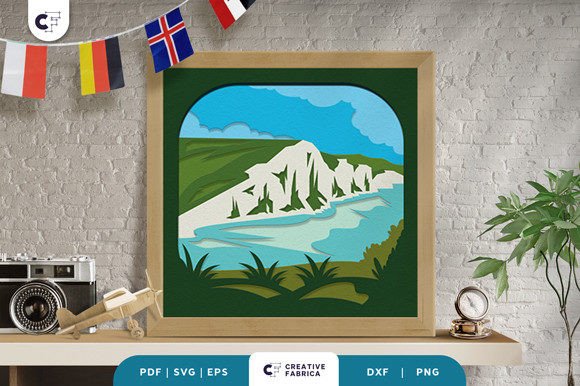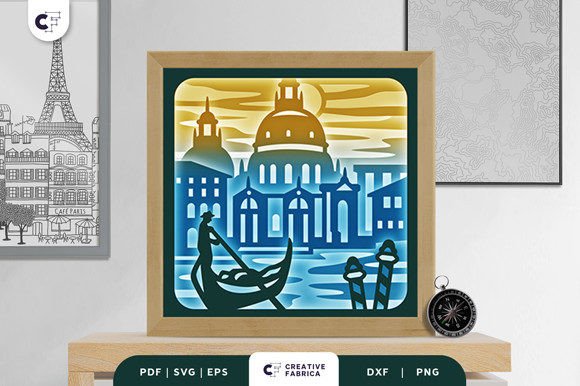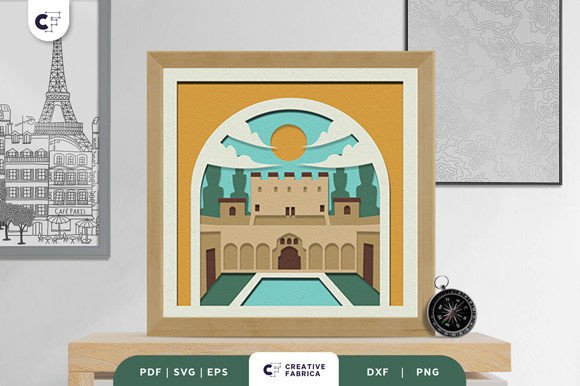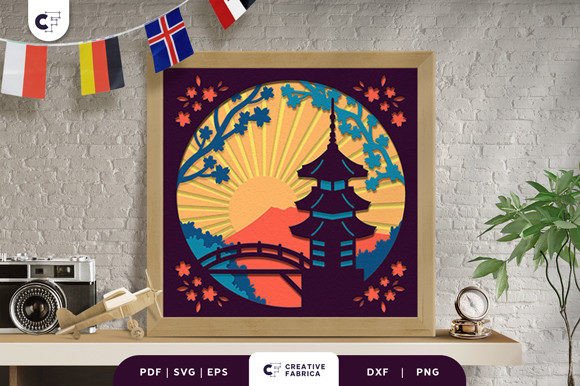
Bali Indonesia 3D Shadow Box Papercut Review
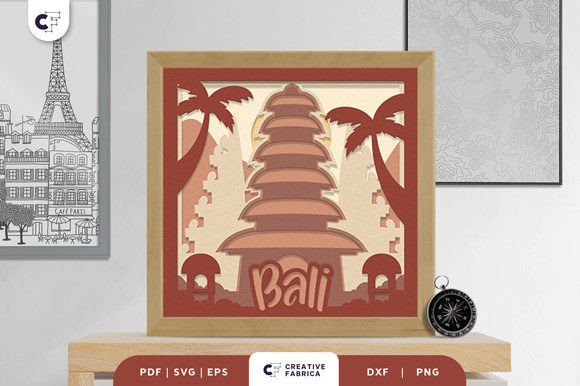
As a designer who spends more time staring at stitch simulations than actual sunsets, I approach new machine embroidery design files with a mix of curiosity and skepticism. When I first loaded the Bali Indonesia 3D Shadow Box Papercut onto my screen, the immediate impression was one of layered depth. This isn't your standard flat logo; it is a complex composition that mimics the aesthetic of hand-cut paper art, translated into digital threads. The design captures the essence of Indonesian landmarks, specifically focusing on the iconic architecture of Bali, complete with tall pagodas and lush, organic tree lines. For those of us in the craft business, finding a file that balances intricate detail with stitchability is often a hunt, but this piece from the Countries category immediately suggests high-value applications.
Visual Personality and First Impressions
The mood this design creates is serene yet exotic. It feels like a travel poster brought to life through thread. The layout relies heavily on the interplay of foreground and background elements, a hallmark of the 3D SVG style. Even before stitching a single thread, you can visualize how the different layers will interact. The "shadow box" effect implies a need for careful color selection to ensure separation between the tiers. If you are an Etsy seller looking to elevate your shop's aesthetic, this design offers a sophisticated alternative to typical tourist souvenirs. It feels boutique-ready, suitable for a high-end handmade product line rather than a bulk promotional item. The visual personality is warm and inviting, making it an excellent candidate for items meant to evoke memories of travel or a love for tropical cultures.
Real-World Application: The Custom Tote Scenario
To truly evaluate the Bali Indonesia 3D Shadow Box Papercut, I imagined a specific real-life scenario: creating a limited run of custom tote bags for a local travel agency's welcome kits. In this context, the design needs to hold up against the texture of canvas while remaining clear from a distance. The intricate layers of colored paper cut compiled as one would translate beautifully onto a natural cotton or heavy-duty canvas tote bag design.
However, the execution requires strategy. On a tote, you have a large, flat surface, which is ideal for this level of detail. I would envision using a dense fill stitch for the solid blocks of the pagoda to give it weight, contrasted with a lighter satin stitch or even a running stitch for the finer details of the foliage. The result would be a finished product that customers would hesitate to use as a grocery bag because it looks too much like art. This reaction is exactly what we want for premium small shop product lines. It transforms a simple utility item into a statement piece.
Versatility Across Products
Beyond totes, where else does this design shine? The versatility is surprisingly broad if managed correctly. For sweatshirt embroidery, the soft texture of fleece could actually enhance the "paper cut" illusion, making the stitches look like raised layers. Imagine this on the back of a oversized crewneck; it becomes a wearable postcard. For baby embroidery, perhaps on a nursery blanket or a onesie, the softer, rounded elements of the trees could be emphasized while simplifying the sharper architectural lines to ensure comfort against sensitive skin.
It also works well for home decor. A pillow cover featuring this design adds an instant global flair to a living room. For holiday embroidery or wedding gifts, particularly for couples honeymooning in Bali, this serves as a deeply personalized memento. The key is matching the complexity of the design to the durability requirements of the item. While it makes a stunning wall hanging or decorative pillow, one must think twice before putting it on a high-friction item like a knee patch on work pants.
Technical Considerations and Fabric Challenges
Let's get practical about the mechanics. This design is intricate. That word appears in the description for a reason. When dealing with such density, your choice of stabilizer is not just a suggestion; it is a necessity. On stretchy fabrics like jersey knits or performance wear, a heavy cut-away stabilizer is mandatory to prevent the design from puckering and distorting the delicate layers of the pagoda. If you attempt this on a thin fabric without proper backing, the stitch density could cause the material to gather, ruining the clean lines essential to the shadow box effect.
Curved surfaces present another challenge. Placing this on a cap is possible, but the tall pagoda element might struggle to lay flat over the front panel's curve. You would need to break the design into smaller sections or accept some distortion in the upper layers. Similarly, tiny lettering or extremely fine corners in the tree branches might get lost if the thread colors do not have enough contrast against the fabric texture. Dark fabrics require careful planning; a black background might swallow the shadows intended in the design, so you may need to add a light underlay or adjust the color palette to ensure the embroidery project remains legible.
Designer Notes for Commercial Success
Before committing this digital embroidery file to a client order, there are several steps I strictly follow. First, always test the design on scrap fabric that matches your final material. What looks crisp on the screen can behave differently on thick denim versus silky satin. Check the hoop size requirements carefully; this design likely needs a larger hoop to accommodate the full width of the landscape without breaking the flow.
- Contrast Check: View your mockup in black and white. If the layers blend together in grayscale, they will lack definition in real life.
- Density Review: Inspect the stitch count visually. Are there areas where the needle will pierce the same spot too many times? This can lead to thread breaks.
- Licensing Verification: Since this falls under commercial potential, confirm the license terms. Can you sell the finished product? Can you sell the file itself? Never assume.
- Wash Testing: If the end product is something like a kitchen towel or apron that will be washed frequently, ensure the edges are well-tacked to prevent fraying after multiple cycles.
For apparel decorators and creative entrepreneurs, the value of the Bali Indonesia 3D Shadow Box Papercut lies in its ability to tell a story. It is not just a pattern; it is a destination. When used correctly, it boosts brand consistency by offering a unique visual asset that competitors using generic clipart cannot match. It builds customer trust through perceived quality and attention to detail.
In conclusion, this design is a powerful tool for anyone looking to expand their catalog with culturally rich, visually striking items. Whether you are creating a personalized gift for a friend or stocking shelves for a boutique, the Bali Indonesia 3D Shadow Box Papercut offers a professional finish that stands out. Just remember, the magic is in the preparation. Respect the intricacy of the file, choose your materials wisely, and you will have a best-seller on your hands. Always verify the specific file formats and exact dimensions provided by the creator to ensure it fits your specific machine capabilities before starting your next big batch.