Butterfly Candle Center Piece: A Designer’s Review
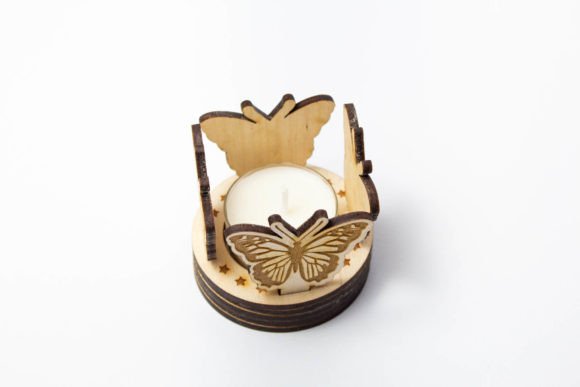
As an embroidery designer who has spent years digitizing patterns and troubleshooting stitch-outs for clients, I approach every new machine embroidery design with a mix of curiosity and skepticism. We have all been there: you download a file that looks stunning in the preview, only to find it puckers the fabric or loses its shape once the needle hits the cloth. That is why I took a close look at the Butterfly Candle Center Piece. While the product description highlights its use as a laser-cut art piece for candles, my interest lies in how this aesthetic translates into the world of thread and fabric. Specifically, I am evaluating its potential as a decorative element for home decor and gift items, keeping in mind its classification under Ornaments and its availability as a 3D SVG.
First Impressions: Mood and Visual Personality
The first thing that strikes me about the Butterfly Candle Center Piece is its delicate, airy mood. Butterflies are a timeless motif in embroidery, but they can easily feel cliché if not handled with care. This design avoids the trap of being overly cartoonish. Instead, it offers a refined silhouette that suggests elegance and tranquility. For a designer, this visual personality is crucial. It does not scream for attention; rather, it invites a closer look. This subtlety makes it versatile. It feels right at home in projects that aim for a soft, organic, or romantic aesthetic. Whether you are working on a nursery project or a sophisticated boutique item, the layout and detail level suggest a high degree of craftsmanship. It is not just a shape; it is a statement of gentle beauty.
Real-World Application: From Digital File to Finished Product
To truly understand the value of any embroidery file, you must imagine it in a real-life scenario. Let us say I am preparing a custom order for a client who wants a set of personalized linen tea towels for a housewarming gift. The client loves nature-inspired themes but wants something understated. Here, the Butterfly Candle Center Piece could be adapted from its original candle-holder context to serve as a central motif on the towel hem. Because the design likely features open spaces and clean lines—typical of laser-cut templates—it would translate well into an applique design or a light fill stitch pattern.
Alternatively, consider a small shop owner looking to expand their Etsy seller catalog. They might use this butterfly motif on tote bags. A tote bag design benefits from graphics that are recognizable from a distance yet detailed enough to appreciate up close. If the 3D SVG structure implies layered elements, this could inspire a multi-hoop project where different shades of thread create depth. Imagine a cream-colored canvas bag with a pastel pink and lavender butterfly. The result is a handmade product that feels exclusive and thoughtful, far removed from mass-produced prints.
Technical Considerations for Embroiderers
However, aesthetic appeal means nothing if the design does not stitch out cleanly. As a reviewer, I must point out areas where caution is needed. Since this design originates as a laser art template, it may rely on thin lines or intricate cutouts. In embroidery, this translates to potential challenges with stitch density. If the digital file converts these thin lines directly into satin stitch columns without proper underlay, you risk thread breaks or fabric distortion, especially on lighter materials.
I recommend testing the design on scrap fabric first. Pay close attention to how the running stitch outlines behave. Are they too loose? Do they gap on textured fabrics? If you are stitching on a sweatshirt embroidery project, the pile of the fleece might swallow fine details. In such cases, increasing the stitch count slightly or using a heavier weight thread might be necessary to maintain visibility. Conversely, on thin fabric like silk or lightweight cotton, excessive density will cause puckering. Always use the appropriate stabilizer. For stretchy fabrics, a cut-away stabilizer is non-negotiable to prevent the design from warping after washing.
Navigating Fabric and Hoop Constraints
One of the most critical aspects of using the Butterfly Candle Center Piece is understanding its scale. The term "center piece" implies a certain size. If you attempt to shrink this design to fit a small hoop, such as a 4x4 inch frame for a baby onesie, you may lose the integrity of the butterfly’s wings. Tiny details can become a tangled mess of thread. Therefore, this design is best suited for medium to large hoops, such as 5x7 or 6x10 inches. This makes it ideal for pillow covers, aprons, or wall hangings.
Be particularly careful with curved surfaces. If you are attempting cap embroidery, the rigid structure of a butterfly might not conform well to the curve of the crown unless the design is specifically digitized for hats. Flat surfaces are your friend here. Also, consider the fabric texture. On highly textured materials like terry cloth or burlap, the smooth lines of the butterfly might get lost. In these instances, using a contrasting thread color or adding a solid applique background can help the design pop.
Enhancing Brand Value and Customer Trust
For craft business owners, the choice of design directly impacts brand perception. Using a high-quality, well-balanced motif like the Butterfly Candle Center Piece signals professionalism. It shows that you care about the details. When customers receive a personalized gift featuring clean, crisp stitching, their trust in your brand grows. This leads to repeat business and positive reviews. Moreover, because butterflies are universally loved, this design has broad appeal. It fits seamlessly into holiday embroidery collections for spring or Easter, as well as year-round custom apparel lines.
From a marketing perspective, this design lends itself beautifully to printable mockup creation. You can showcase the butterfly on various products in your online store, helping customers visualize the finished product. Whether it is an embroidered patch for a jacket or a delicate accent on a baby blanket, the visual consistency helps build a cohesive brand identity.
Practical Designer Notes for Best Results
Before you commit to a full production run, keep these practical tips in mind:
- Check Thread Color Contrast: Test the design with both monochromatic and contrasting thread palettes. A single-color outline can look modern and chic, while multi-color fills offer a traditional look.
- Review Stitch Density: If the file allows, adjust the density settings in your software. Lower density for delicate fabrics, higher for durable goods like denim.
- Inspect Small Details: Zoom in on the wing tips. Ensure there are no unnecessary jump stitches or trims that could weaken the structure.
- Test on Dark and Light Fabrics: Some designs look great on white but disappear on black. Verify that the underlay stitches provide enough coverage for dark backgrounds.
- Confirm Licensing: Always check the license terms associated with the digital embroidery file. Ensure you have commercial rights if you plan to sell items made with this design.
In conclusion, the Butterfly Candle Center Piece offers a charming and versatile aesthetic for embroidery projects. While it requires careful technical handling regarding density and fabric choice, its potential for creating beautiful, marketable items is significant. By approaching it with a designer’s eye and a tester’s patience, you can transform this digital asset into a standout physical product.