South East Asia Landmark 3D SVG for Countries Branding
As a brand designer who has spent years refining visual identities for local businesses, I approach every new graphic design asset with a critical eye. It is not enough for an illustration to be pretty; it must serve a strategic purpose within a broader brand identity. Recently, I evaluated the South East Asia Landmark 3D Shadow Box for a potential project involving a boutique coffee roaster specializing in single-origin beans from the region. My goal was to determine if this asset could elevate their packaging design and create a stronger emotional connection with their customers.
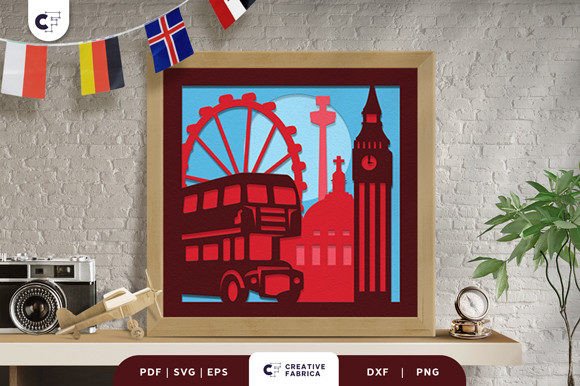
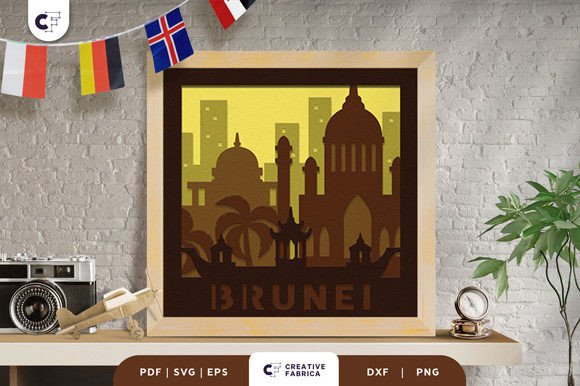
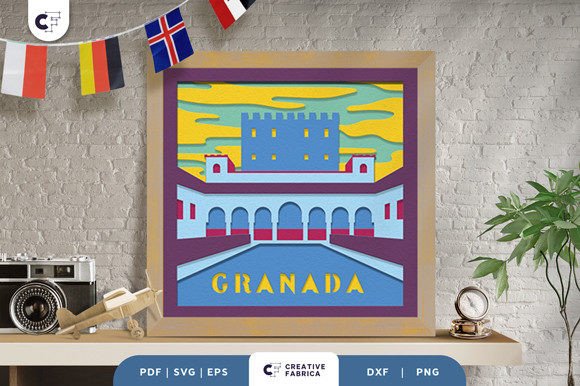
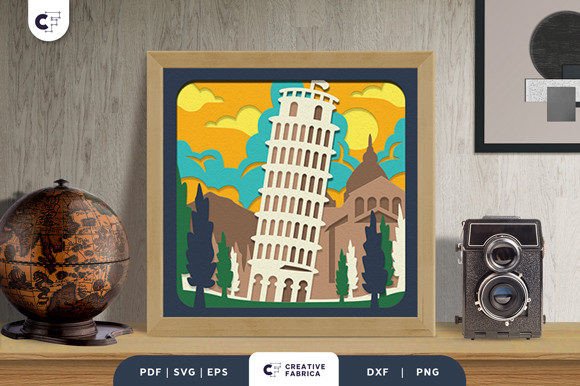
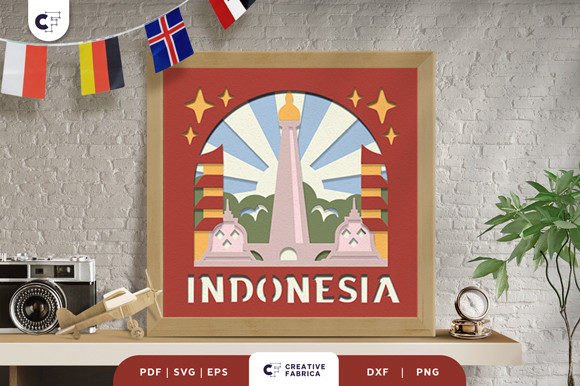
Upon first inspection, the South East Asia Landmark 3D Shadow Box exudes a sense of travel, heritage, and artisanal quality. This unique paper-cut ornament uses several famous places as its highlight, creating immediate geographical context. The paper is heaped with the country's landmarks with a large font on top, which suggests a bold, confident brand personality. The various colors complement the design that show depth and vibrancy, making it feel less like a flat digital file and more like a tangible, handcrafted object. For a local business or a handmade business, this aesthetic is invaluable. It signals premium quality without feeling overly corporate or sterile.
Elevating Product Packaging and Label Design
In the realm of small business branding, shelf appeal is everything. When I tested this 3D SVG file on a mockup for a coffee bag, the results were striking. The layered effect of the landmarks adds a tactile quality that flat logos often lack. For product sellers in the food and beverage sector, such as tea shops, spice merchants, or chocolate makers, this asset can transform a standard product label into a storytelling device. It tells the customer exactly where the product comes from before they even read the ingredients.
Beyond food, imagine a skincare brand using botanicals sourced from Thailand or Vietnam. Placing the South East Asia Landmark 3D Shadow Box as a hero graphic on the box packaging instantly communicates the origin of the ingredients. It works exceptionally well as a decorative brand element on hang tags, thank-you cards, and stickers included in shipment boxes. These small touches improve customer trust and make the unboxing experience feel more polished and professional. For boutique owners and handmade sellers, this level of detail distinguishes their products from mass-market competitors.
Strategic Applications in Marketing Visuals
The versatility of this design asset extends far beyond physical packaging. In today's digital-first market, social media graphics need to stop the scroll. The intricate details of the shadow box style perform beautifully on Instagram posts and Pinterest pins, especially when paired with high-quality photography. I envision using this illustration for website banners, promotional ads, and email headers during seasonal campaigns. For instance, a travel agency or a cultural event organizer could use this to promote tours or festivals, leveraging the recognizable silhouettes of famous landmarks.
Furthermore, the asset supports better visual hierarchy in editorial design and web design. Because the composition includes a large font area integrated with the landmarks, it can serve as a standalone header for menu graphics, price lists, or flyers. When used in product mockups for a portfolio or an online store, it adds a layer of sophistication that suggests the brand is established and trustworthy. For marketers and social media managers, having a cohesive visual theme that ties together physical products and digital content is crucial for consistent professional branding.
Where to Exercise Caution
While the South East Asia Landmark 3D Shadow Box is powerful, it is not a one-size-fits-all solution. As a designer, I would advise against using it in formal corporate branding where minimalism and neutrality are required. It is also too detailed for very small labels, such as those on sample-sized jars or narrow bottle necks, where the intricate layers might blur or become indistinguishable. In crowded product packaging layouts, this illustration could compete with important text, such as nutritional information or legal disclaimers.
Luxury minimalist brands that rely on vast amounts of white space and simple typography might find this asset too busy or decorative. Additionally, care must be taken when placing it on low-contrast backgrounds. The various colors that complement the design need sufficient contrast to ensure the "shadow box" effect is visible. If the background clashes with the landmark colors, the visual impact is lost, and the design may look muddy rather than vibrant.
Practical Notes for Designers and Entrepreneurs
Before integrating this clipart or illustration into a client project, there are several practical steps to take. First, always test it on real packaging mockups to see how the scale translates to physical dimensions. Check its usage in black and white to ensure it remains legible for cost-effective printing options. Preview the asset on small labels to confirm that the fine lines of the paper-cut style do not disappear.
It is also essential to test the graphic with different typefaces. While the asset includes a large font, you may need to pair it with your own brand typography. Experiment beside serif fonts for a classic look, sans serif fonts for modernity, or script and handwritten fonts to enhance the handmade feel. Since this is a 3D SVG file, inspect the vector editability. Can you change the colors to match your specific brand palette? Does the layer structure allow you to isolate certain landmarks if needed?
Finally, and most importantly, review the licensing terms. Ensure you have a valid commercial license before using this for commercial design, client work, or physical product sales. Many creative marketplaces offer these files, but the rules regarding digital product resale or unlimited print runs vary. Confirming these details protects your business and ensures your brand identity is built on a solid legal foundation.
In conclusion, the South East Asia Landmark 3D Shadow Box is a robust tool for businesses looking to infuse their brand with cultural richness and visual depth. Whether for a Canva template, a printable design, or a high-end packaging run, its ability to convey place and quality makes it a standout choice for thoughtful brand designers and ambitious entrepreneurs alike.